Two-way communications
While it is often a challenge to achieve two-way communications in a typical conference setting, even with the use of new communication tools such as mobile short messages (SMS), as discussed in my previous blog entry, in a concert setting, the outcome is entirely different.
Last saturday, I managed to get to a Taiwanese singer, Zhou Huajian’s (周华健) concert at the Beijing Capital Stadium (see first picture below, taken before the start of the concert).
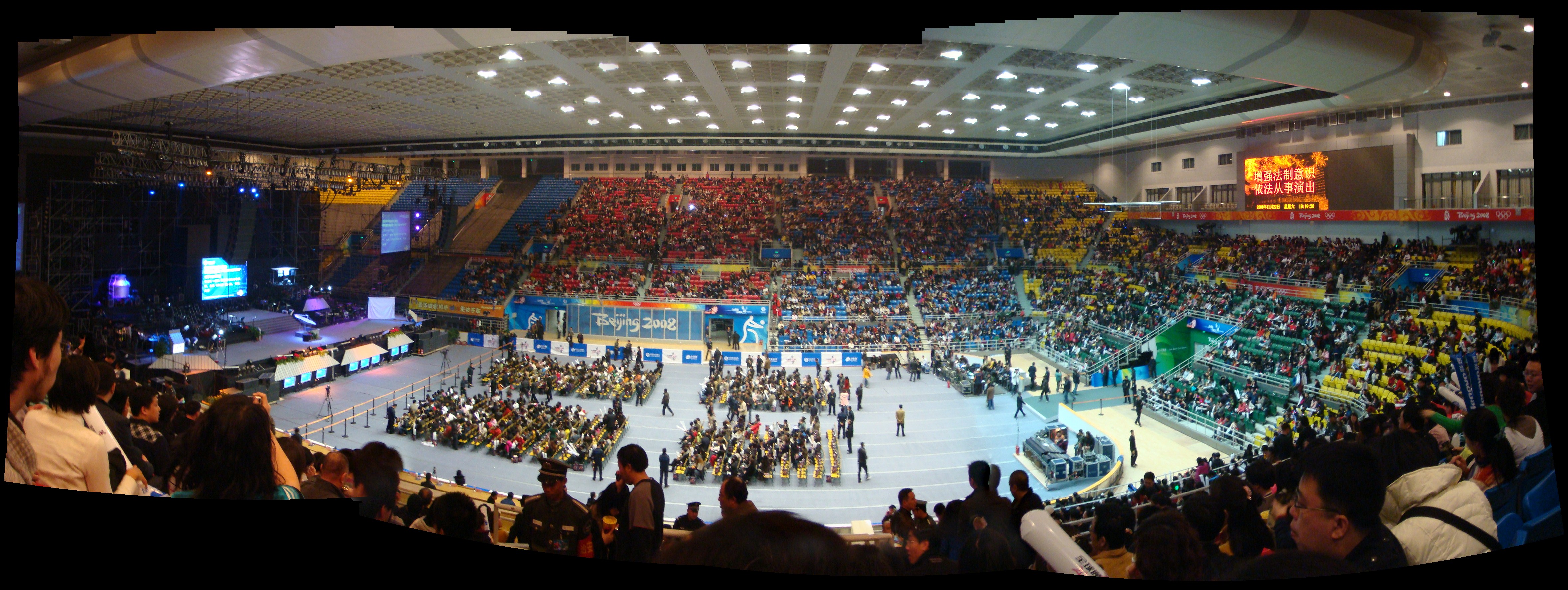
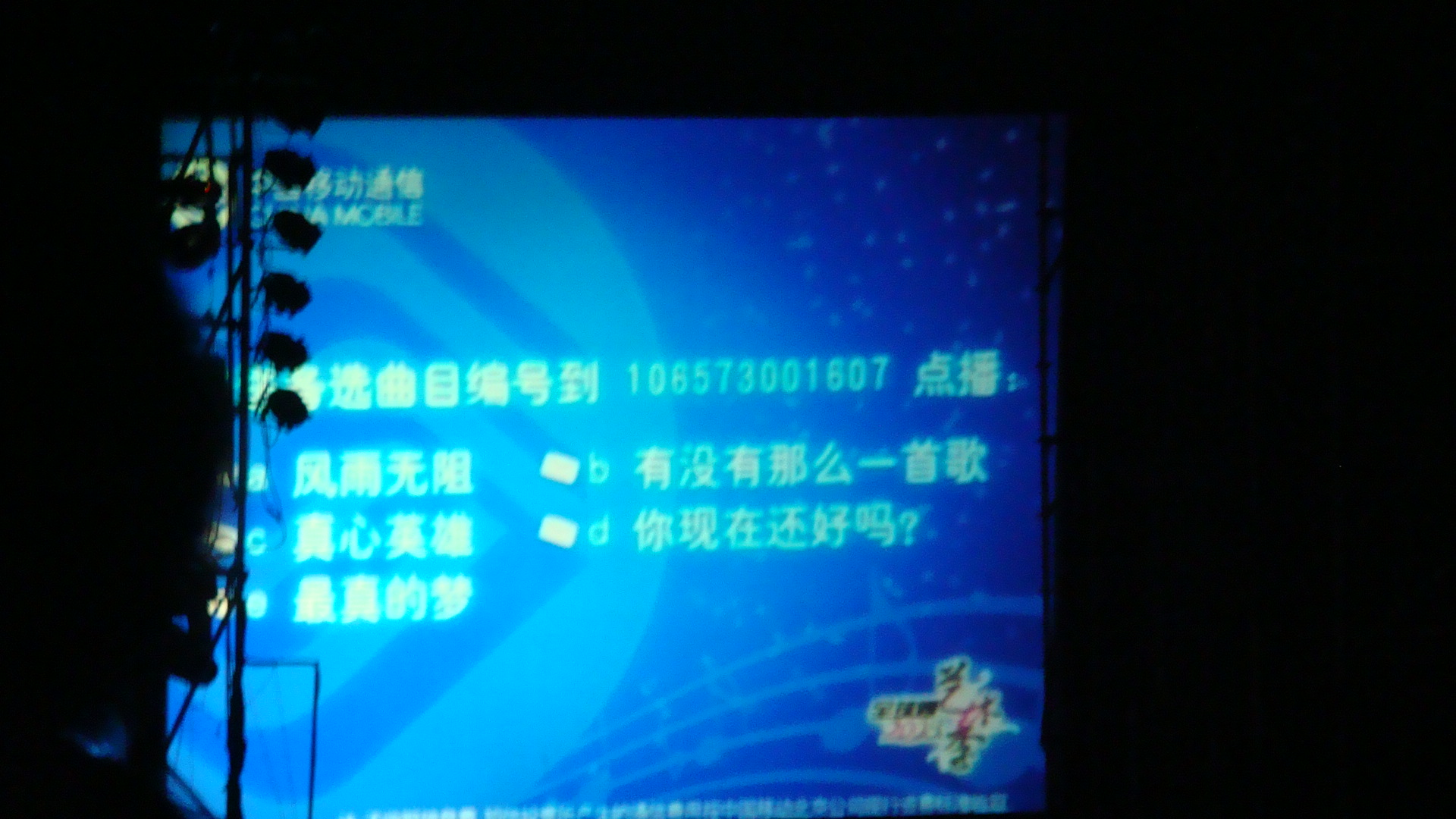
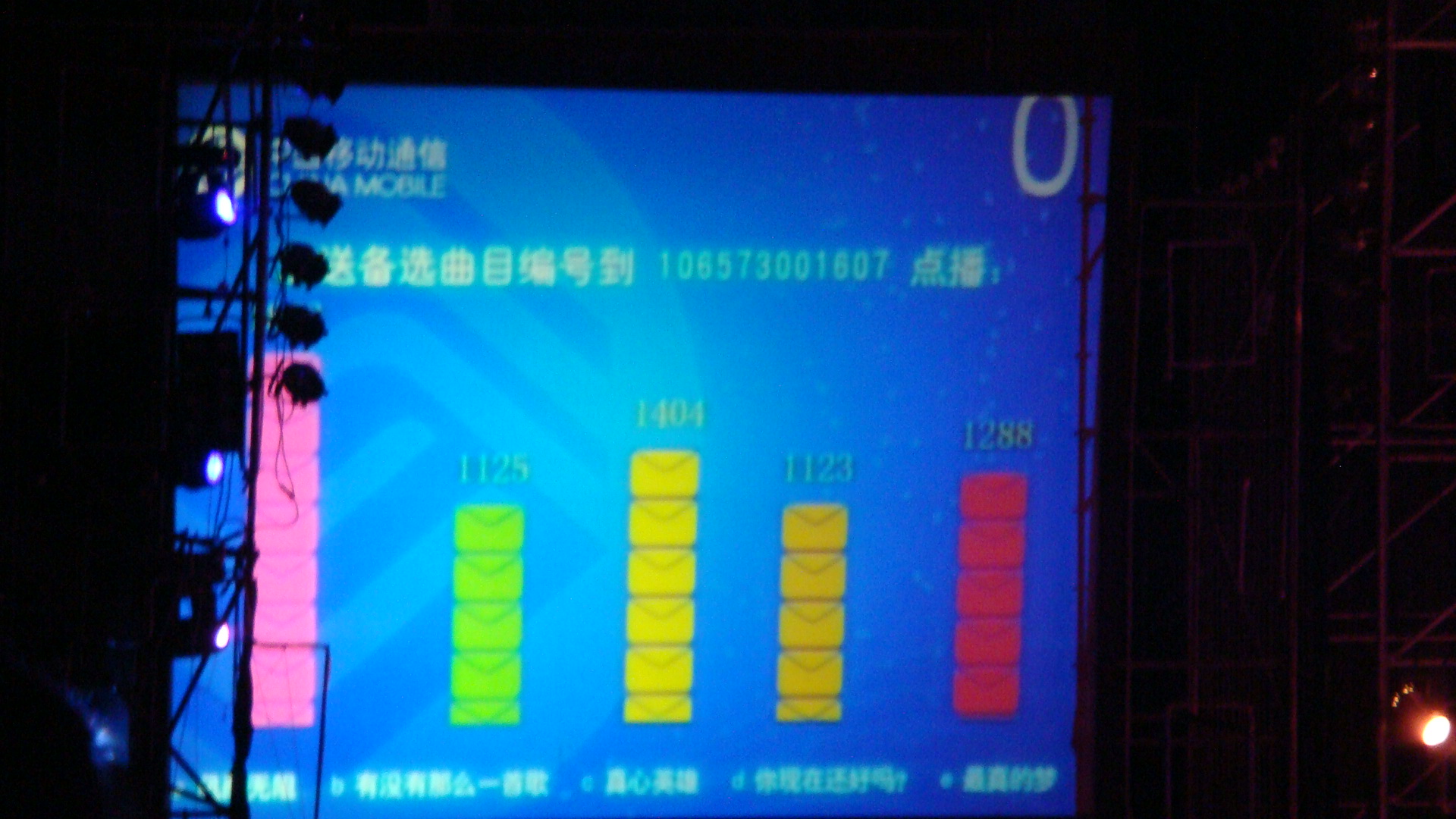
At the stage, there were a number of screens set up for different images and video projections throughout the concert to provide multimedia effects to the songs and improve the ambient of the event. At two separate intervals during the concert, the extreme left and right screens were used for another purpose, like what I saw in the previous conference in Beijing. The first screen (left picture below) shown a mobile number and five song titles put up for the audience to vote using SMS, live. Subsequently, while Zhou Huajian was singing, the SMS messages were received, and the results of those votes were counted and projected (right picture below.) Very quickly, Zhou got the results and knew exactly what are the live audience’s preferences for the next few songs, and he sang the top two selections in the sequence of popularity reflected through the SMS votes.
Even though the concert, unlike most conferences, was already achieving very much two-way communications, in which many audiences participated by singing along, tapping their foot, clapping their hands, waving the torches, etc., the addition of the messaging technology added another interesting dimension to it.
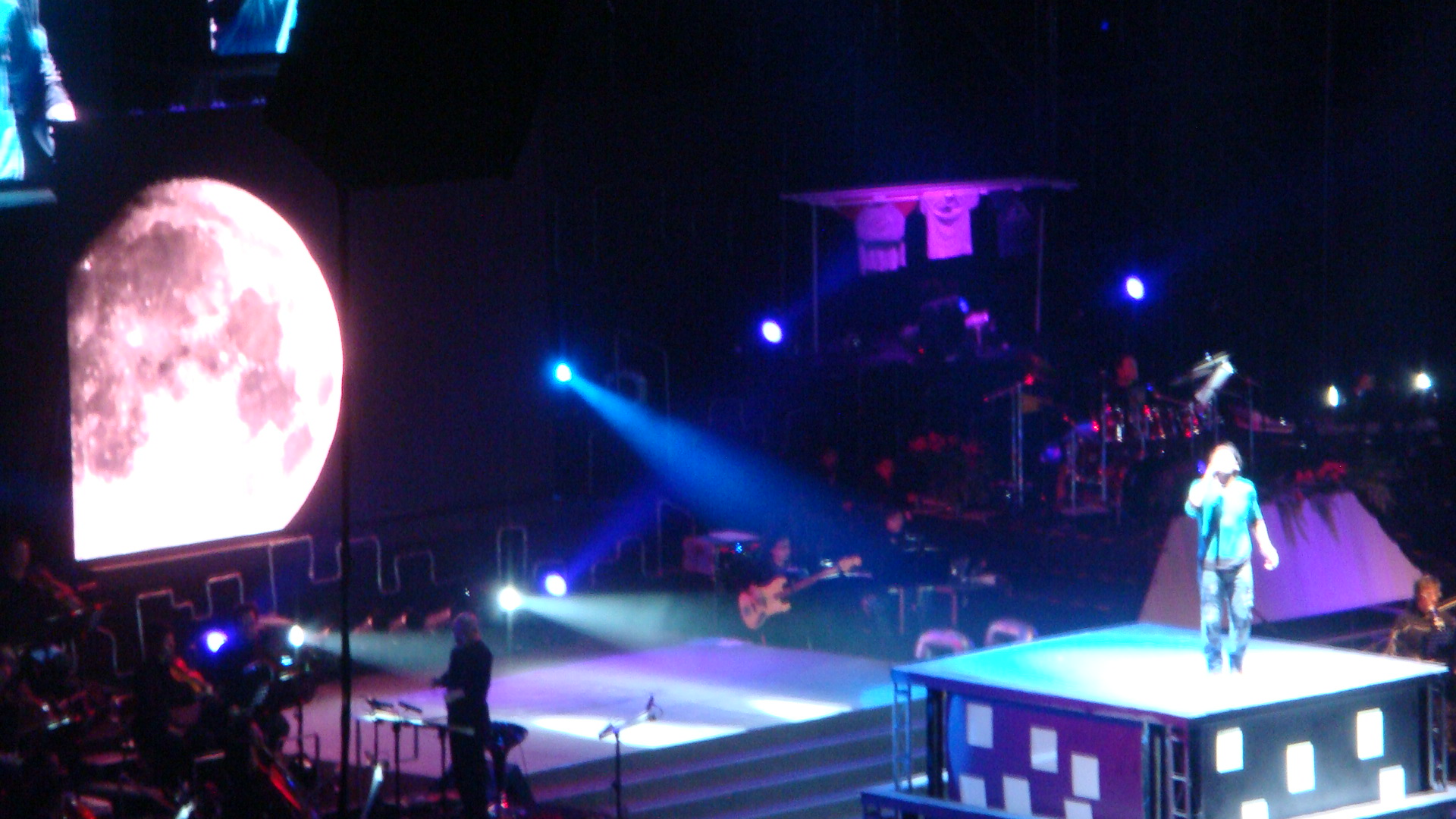
The appropriate use of technology, as we can see here, adds to the already rich experiences of the event, further enhancing the communications between the performer on stage, and the audience below.
</div>